Starting a Small-Scale Mushroom Business
Reading Time: 5 minutes
Discover practical ways to launch a small-scale mushroom business with easier, less labor-intensive methods.
by Jenny Underwood
Mushroom farming is something I’d wanted to do for a while, so, last year, we decided to start cultivating mushrooms on our homestead. The great thing about this type of farming is that almost anyone can do it if they have just a small amount of land. It’s quite reasonable to get into, and it’s not very labor-intensive.
Getting Started
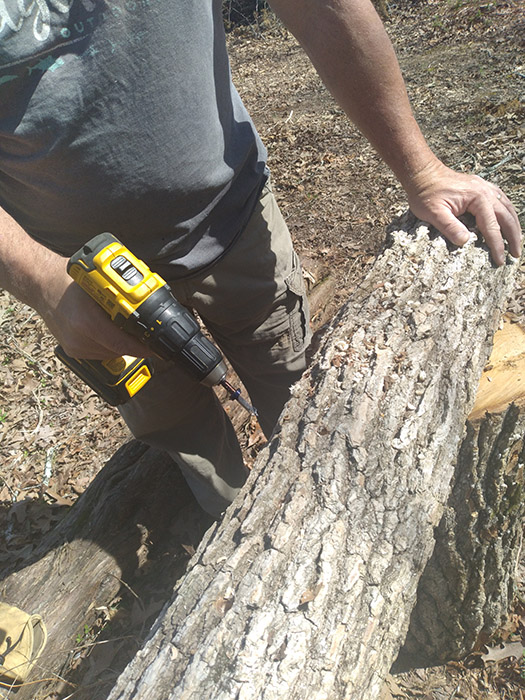
First off, you’ll want to plan things out before you set up your mushroom farm. Though it’s unlike traditional farming in that you most likely won’t need fences or a lot of infrastructure, you’ll still need some specific things to do it right. Mushrooms like to grow in shady, protected areas. Each mushroom prefers to grow on certain species of trees. You’ll also want a place you can easily access, if you need to water or do any maintenance. The logs can be heavy, so it’s best to have an area you can drive most or all the way to. You don’t want to be lugging these logs far by hand. If you don’t have a tractor, be sure to cut your logs into lengths you can maneuver by hand.
After you’ve picked out the best place to set up your farm, decide how large an endeavor you want to start with. Are you planning to sell them or just use them for your family? If you’re going to be selling, check your local and state laws for any regulations you may need to meet. For example, in my state, someone in the selling/buying chain must be certified to identify mushrooms. That can be you or a chef who buys for the restaurant. I decided it would be advantageous for me to get the certification.
Creating a Business Plan
Then, do any business planning that hasn’t already been done. If you’re selling the mushrooms, will you sell to individual customers or to restaurants? Or will you dry the mushrooms and sell at markets or online? Regardless of what you choose, it’s a good idea to line up prospective buyers and supplies. Go to restaurants and give them an idea what you’ll be selling. Show them photos of your setup and your certification, if applicable. If you’re selling online, get your store set up and start blogging about your project and upcoming items for sale. Share on social media and have business cards made. Find out about local farmers markets, and do a survey to see who’s interested in buying fresh or dried mushrooms. Figure out how you’ll keep your mushrooms fresh, or get them delivered immediately after harvest. Decide how much you’ll charge for them to make a profit. Remember, you can’t say something is organic unless it’s certified organic. So, if you aren’t going to get certified, decide on advertising that shows your sustainable and nature-friendly practices.
Start Growing Mushrooms
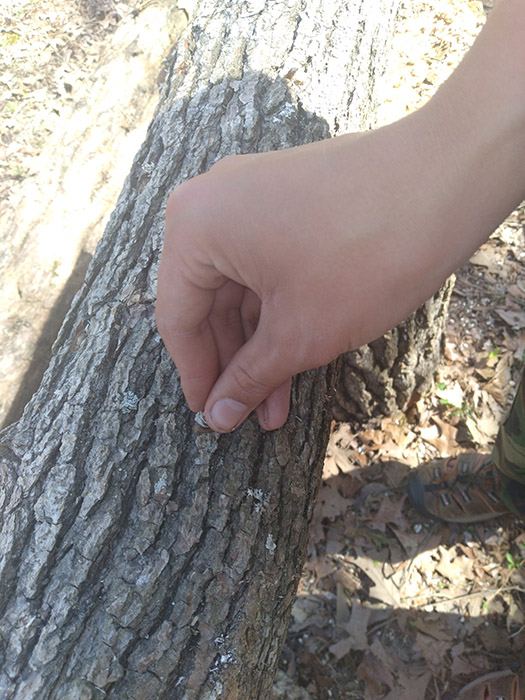
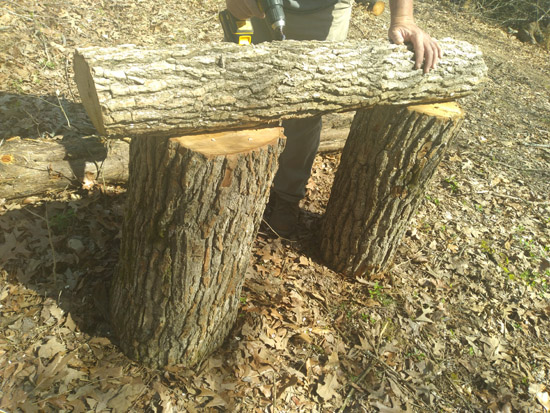
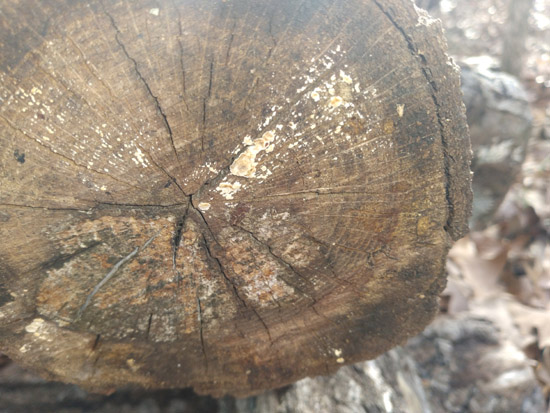
Decide on the mushrooms you’ll grow, and cut down as many trees as you’ll need. The preferred length is 3 to 4 feet and 6 to 10 inches across. Cut the trees when dormant, if possible, or in summer if you can’t. This will ensure that the bark is tight and will last as long as possible. Allow the logs to sit for 3 to 6 weeks before you inoculate them. Order your spawn. This can be either sawdust spawn or plugs. Plugs are simpler, but sawdust spawn is much cheaper, so if you’re planning to use a lot of logs, this is the choice for you. Inoculate the logs by either injecting the spawn or pushing in the plugs, and seal with a wax of your choice (I use beeswax). Allow the logs to sit undisturbed for 9 to 18 months. If the weather is extremely dry, water the logs. It’s recommended that you cover your logs with tarps if they don’t get natural shade.
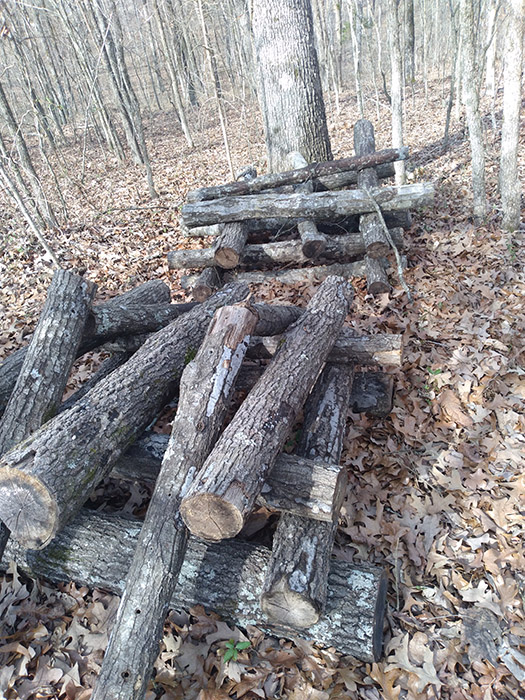
Check your logs frequently for fruiting. Once they begin to fruit, check daily or twice daily to be sure you pick the mushrooms at their peak. Mushrooms should be firm and not slimy. Use a knife to cut flush with the log. Gently brush dirt and bugs off. A small soft bristle brush works well for this. Don’t wash them unless absolutely necessary. Store in the refrigerator in paper bags, but, optimally, get your mushrooms to your clients as soon as feasible. If you’re drying them, do so promptly. Mushrooms aren’t like wine; they don’t age well! Check each mushroom carefully to ensure proper identification, because sometimes more than one mushroom can grow on a log.
Quality Business Checks
After your clients use your mushrooms, ask them what they liked or didn’t like about your products. Were they pleased with the quality, quantity, and price? What, if anything, would they change? Consider a referral discount for your customers. Remember, word of mouth is really the best advertisement, and it’s free! Also, remember that if your customers aren’t pleased, they’ll share that, too. So be careful to never sell a product you wouldn’t want to buy yourself.
Keep accurate, detailed records of the amount and quality of mushrooms you produce. Make notes regarding whether they were available when customers wanted them, or if you had to find an alternate way to preserve or market them. Also, make notes on whether you had enough for your current customer base or need to expand. Keep careful records of time spent and what your income and expenses were. Not only will you need this for your tax return, but you’ll also need to know if your business venture is profitable.
Mushrooms are a fantastic way to expand your homestead into a money-making venture. They can enable you to make use of the smallest areas of land and improve your sustainability. Happy mushroom farming!
Here are a few mushrooms that are generally a good bet to get started with and grow in a wide range of areas.
Oyster: Available in plugs or spawn.
- Varieties: Aspen, Brown, Cold Blue, Flamingo, Grey Dove, King, King Black Pearl, Mulberry, Pearl, Phoenix, Pink, Pohu, Sporeless Oyster, Tarragon, Warm Blue.
- Preferred Tree Species: Oak, poplar, sweetgum, and other hardwood species.
- Taste: Meaty and sweet (delicious).
Shitake: Available in plugs or spawn.
- Varieties: Cold, Warm, Wide Range, Wild.
- Preferred Tree Species: Maple, oak, poplar, sweetgum, and other hardwoods.
- Taste: Savory and meaty (amazing stuffed).
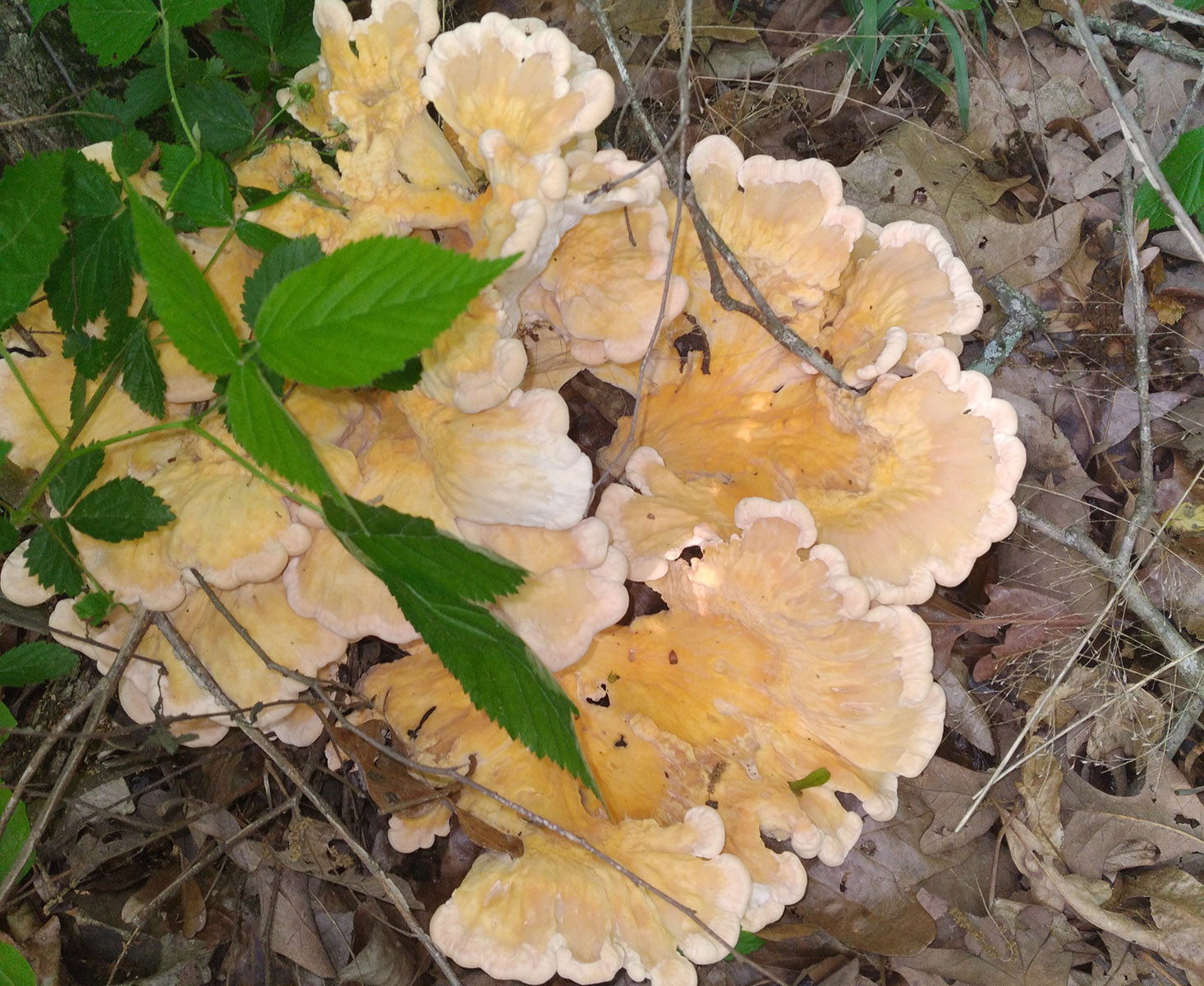
Others to try are Chicken of the Woods, Lion’s Mane, and Maitake.
Jenny Underwood is a homeschooling mama to four lively blessings. She makes her home in the rural foothills of the Ozark Mountains with her husband of 20 years. You can find her reading a good book, drinking coffee, and gardening on their little fifth-generation homestead. Keep up on her blog here.
Originally published in the July/August 2025 issue of Countryside and Small Stock Journal and regularly vetted for accuracy.