Free Homeschooling Resources for Parents
Reading Time: 5 minutes
Utilize these free homeschooling resources, which include interactive learning sites, community centers and parks, and outdoor activities.
by Wren Everett
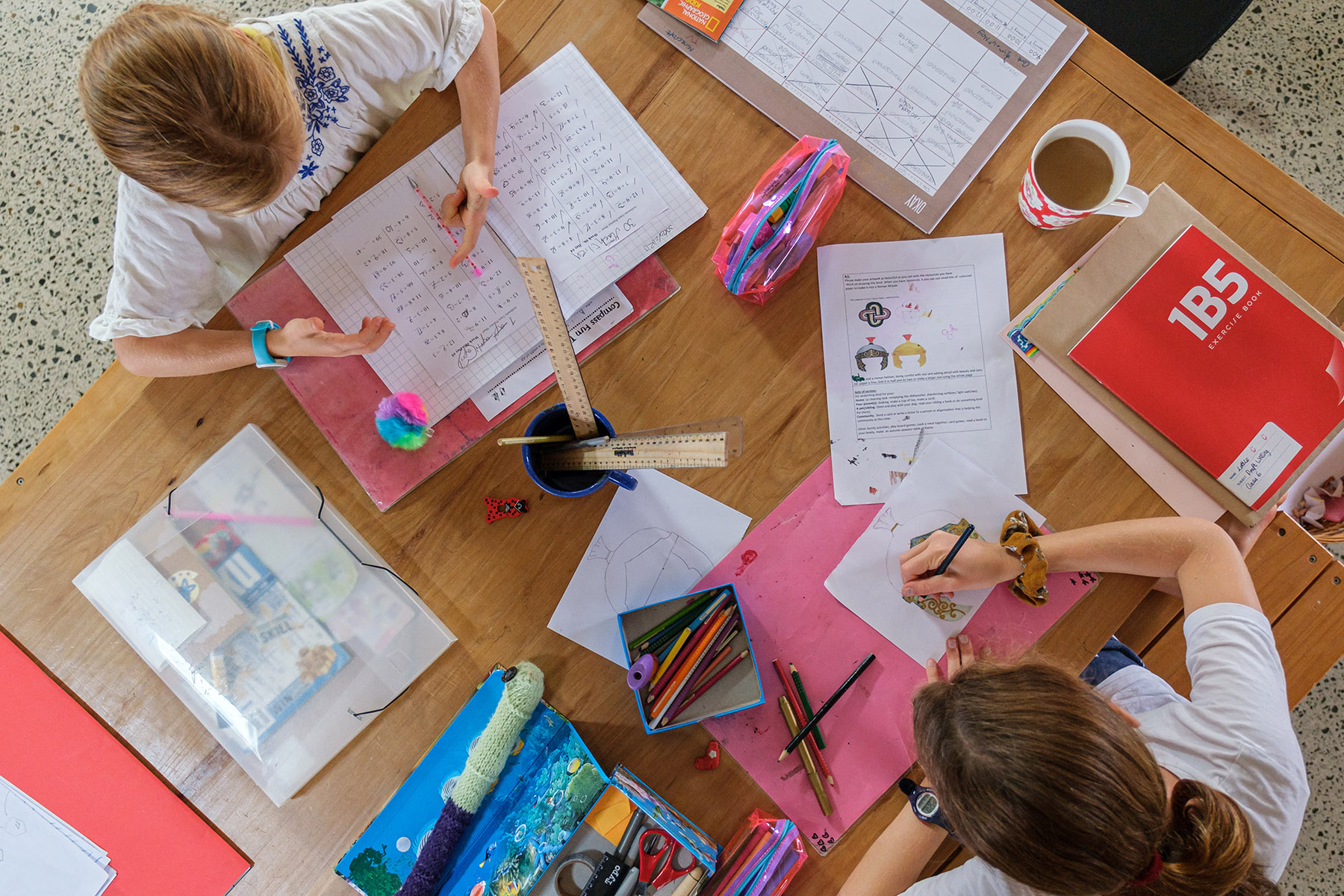
The homeschooling journey is different for every parent, but there’s one unifying factor to the experience: independence. When you are autonomous from a school system, you really can tailor your students’ lessons to whatever you believe is best for them.
Now, for many parents, that freedom can sometimes feel overwhelmingly open without the assistance, resources, and funding that’s given both public and private schools. But I’m here to tell you that there’s actually a whole world of interesting, rather unconventional, and useful opportunities to help you bolster your teaching, if you know where to look. And best of all, they’re free!
Now, I’m not just talking those silly “free sample lessons” offered on some educational sites — these are full-on, hearty resources that can be used to both supplement and further your educational forays. I’ve put together some of my favorites — I hope they can become yours, too.
Duolingo
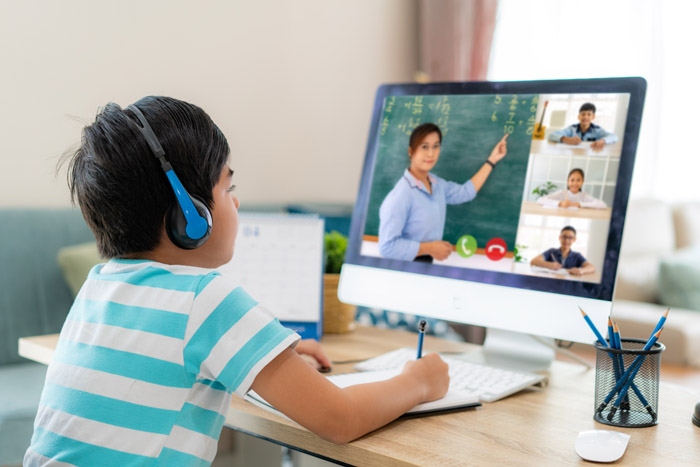
Many homeschool parents fret about attempting to teach a foreign language when they, themselves, have no idea how to speak it in the first place. I should know — I was a foreign language teacher, and I suddenly became very popular when other homeschooling parents find out about my former profession! But for those who don’t have that experience at their disposal, the free website and app, DuoLingo has a fun, fluid, and cheerily designed program for anyone who wants to learn a new language. All the plentiful audio is spoken by native speakers, and they boast a dazzling array of different language choices. You’re nearly sure to find one to benefit your own students. You can sign up on the website here.
Inter-Library Loan
I would bet that a lot of people might not realize the services that are hidden within their humble local library — they offer much more than free internet and movie rentals. The Inter-Library Loan is a service that links the collections of libraries in your area. That means if there’s a book or resource you want, but your library doesn’t have it, you can request that a librarian borrow it from another library. This is a great resource for parents of older students who’re developing more specialized interests that go beyond their local library’s collection. The only downside to this program is that you’ll need to wait for your requested books to be delivered, and that they’ll likely be due within one week, rather than two.
Archive.org
When I lived in the city, I had access to a huge urban library chock-full of current and rare books, historical references, and archived literature. When I moved to a tiny rural town, I thought I had lost that resource. That is, however, until I found Archive.org. This website returns that sort of wide-ranging access back to anyone with an internet connection and a free account on their site. You can “borrow” a dizzying array of rare, historically relevant, out-of-print, and hard-to-find publications for an hour or more at a time. (Note: Your access to more modern publications may be limited, however, as the site is currently in the throes of a legal battle with certain publishers that have restricted access to their content).
This is a fascinating way to get primary historical resources into your students’ hands and to do in-depth research far beyond the often poor or AI-generated results that show up with search engine queries. You can sign up here, though I would certainly recommend that it be a parent-guided activity. Archive.org considers pretty much all material worthy of preservation, so there’s everything and anything available in their ample collection — and I mean, anything.
The Exchange
The Exchange is an online hub for seed savers all around the country, allowing them to discover rare, historical, or locally adapted seeds with seed savers in their area and beyond. Though it’s typical to pay a small shipping fee to each seed saver for access to their cache of seeds, you can also try contacting them privately, like I have, to see if they would be interested in a trade (you’d need to have your own saved seed to do this). The Exchange can be a great way to connect older and younger growers (with parental guidance, of course) and to provide a fascinating means of growing unique garden plants without a store purchase. Additionally, this is a chance for a great, hands-on study for learners of all ages to learn how to save their own seeds and to see how specific domesticated species of plants have been cultivated into a truly mind-boggling spectrum of cultivars. You can get connected with a free account at on the website here.
Your Local Metro, State, and National Parks
As a former Interpretive Guide (the folks in parks who take you on walks and explain what’s happening in nature — I’ve worn many hats!), I hosted a huge array of free events and hikes to local park visitors. From hiking sprees, junior ranger programs, birding hikes, and historical reenactments, there are a surprising range of free activities offered to park visitors who check out each location’s calendar of events.
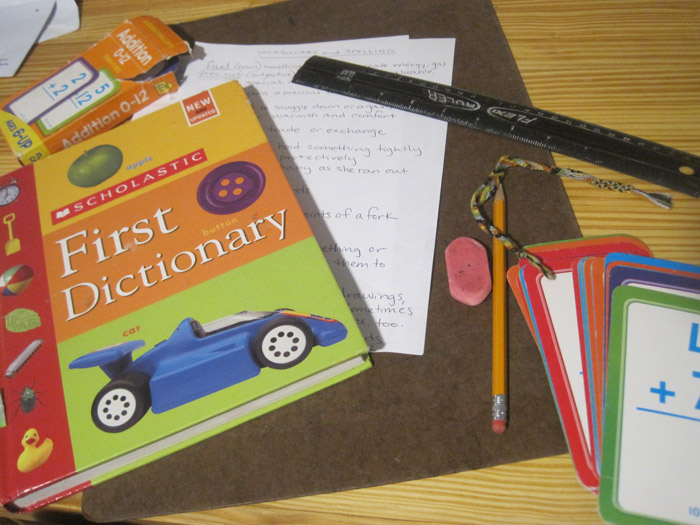
My own state, for example, offers a high-quality, free monthly magazine for resident children about local and native plants and animals, which is a great curriculum. They also host free events, fishing derbies, and themed hikes to anyone who reserves a spot for the event. It may take a few internet searches and phone calls to discover all that’s available in your own parks, but it’s worth the look, I guarantee it!
Libraries of Things
Next time you visit your local branch, find out if your library also has a “library of things” at your disposal. An increasing number of libraries have items, not just books and DVDs, that can be rented. I’ve seen seed libraries that allow the patron to borrow seeds to plant with the promise to save seed to return at the end of the season, “tool libraries,” “sewing machine libraries” with both machines and patterns that can be borrowed, and baking libraries that allow you to borrow unique pans, cooking utensils, and more. These alternative libraries can be useful for teaching crucial skills that are ignored by STEM-centric curricula. You can find a listing of seed libraries here, but to find any other alternative libraries, you’ll have to investigate in your own area. I’ve done some research for an article I wrote, Alternative Libraries: Check Out Things, Not Books — maybe I was able to find one of your local “Library of things” there!
This handful of ideas just scratches the surface of the huge array of alternative experiences and resources that the inventive homeschooling parent can use. I hope that it can offer some support to those of you who’ve chosen to take responsibility for your children’s education, helping prove you don’t have to spend a bundle to do a great job preparing them for the world.
Wren Everett and her husband quit their teaching jobs in the city and moved back to the land on 12 acres in the Ozarks. There, they are learning to live as modern peasants: off-grid, as self-sufficient as possible, and quite happily.
Originally published in the January/February 2025 issue of Countryside and Small Stock Journal and regularly vetted for accuracy.