Featured Stories

Preventing and Treating Cattle Scours in Calves
The most common illness in young calves is cattle scours (diarrhea). There are many causes, including intestinal infection because of bacteria, viruses, or protozoa.
Read More
How to Craft with Grapevines
By Cherie Dawn Haas – One of the beauties of homesteading is learning how to use everything that’s available to us in some way, and if you grow grapes for wine or jelly, that resourcefulness includes making grapevine crafts. I discovered this firsthand a few years ago after pruning hundreds of our vines one season.
Read More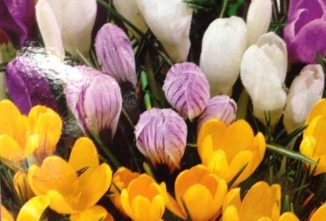
How to Plant Daffodil, Tulip, and Other Bulbs in Pots
Even in small growing spaces, enjoy continual color and fragrance from spring bulbs by learning how to plant daffodils, tulips, and other bulbs in pots.
Read More
15 Essential First Aid Kit Contents
Add to Favorites Though we know we should carry a first aid kit, contents can vary box by box. Should you purchase ones sold on department store endcaps or build …
Read More
50 Must-Haves for TEOTWAWKI
Arguably, the most important thing to store for a SHTF (Stuff Hits The Fan) or complete TEOTWAWKI (The End Of The World As We Know It) scenario is knowledge. Without it, you won’t survive.
Read More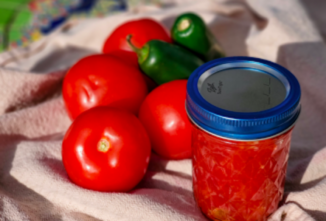
DIY Rotel-Style Tomatoes and Fish House Relish
Do you ever end up with so many tomatoes that you start running out of ideas of what to use them for? Worry no more!
Read More
Making Spaghetti Squash for Dessert
Add to Favorites By Lenora Larson – We who combine gardening and cooking as collaborative passions continue our quest for the perfect crop. Our specifications are simple. The plant must be …
Read More
Homesteading After Retirement: Part 5
Retirement dreams often include plans to travel both near and far. Depending on your previous occupation, travel may not have been possible very often.
Read More

How to Start a Cattle Farm on Small Acreage
Learning how to start a cattle farm throws you into the deep end of the homesteading pool. Cattle are large beasts and require strong fencing, water, grazing land or feed and a plan.
Read More
Nominate a Homesteader for the I Am Countryside Feature
Add to Favorites Know a homesteader who inspires others? Want to see them featured in Countryside & Small Stock Journal? Nominate them (or yourself!) and we’ll tell their story in the …
Read More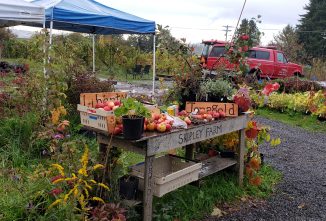
Starting an Orchard for Profit at Skipley Farm
About 10 years ago, Gil Schieber decided that starting an orchard for profit was something he wanted to try. He started his home orchard on seven and a half acres near Snohomish, Washington, 30 miles north of Seattle.
Read More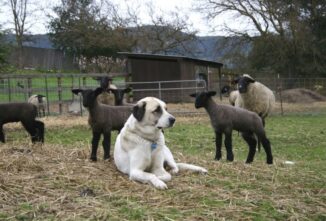
Anatolian Shepherd Dog: Guardian of the Livestock
Need a good guardian for livestock? You might consider the Anatolian Shepherd dog. The breed originated in the Anatolia area of the nation of Turkey, hence the name, and is still used in Turkey’s and western Asia’s rural areas as a defender of livestock.
Read More
Selecting Hay for Cattle
During winter, drought or any other times that animals do not have adequate pasture, hay is the mainstay of diet for cattle.
Read More
Preserve the Harvest Giveaway – Through August 29
Our Preserve the Harvest giveaway is BACK! Win food preservation these trusted brands:
All-American Canner; Dripping Springs; Pomona’s Universal Pectin; Grainmaker; and Countryside.

Get An Early Start With Carrots
Carrots are one of the most versatile vegetables I grow in my garden. We plant them once a month through spring, and again after Labor Day. Except during summer’s intense heat, I harvest a continuous supply for salads or for cooking.
Read MoreSubscribe to Countryside Magazine Today!
What You Can Do with Countryside as Your Guide!
Research-based stories and actionable guidance on growing and preserving food, raising healthy animals, DIY projects, cooking simply and naturally, herbal remedies, and fixing what is broken.- Grow and preserve the most nutritious food for you and your family
- Raise healthy animals from pasture to plate
- Cook simply and naturally
- Build things yourself and take pride in your handiwork
- Treat ailments naturally and take control of your own health and longevity
- Fix what is broken so you get the most out of your investments
- Create your own certainty in an uncertain world
- And more!

Canadian Subscribers • International Subscribers
Canadian subscriptions: 1 year (includes postage & GST)